
Tax depreciation schedules for property investors

Menu

Tax Depreciation Schedules for Australian Investment Properties

Make the most of your investment property with a professionally prepared tax depreciation schedule.

Property Wealth Australia specialises in preparing detailed tax depreciation schedules for residential and commercial investment properties. Our experienced quantity surveying approach combines comprehensive property inspections, accurate measurements, photographic documentation and detailed reporting to help property investors and their accountants identify eligible depreciation deductions.

Whether you own an investment house, apartment, commercial building or industrial property, Property Wealth can help you understand the depreciation opportunities associated with your property.

Detailed inspections. Thorough documentation. Professional reporting. A commitment to quality.

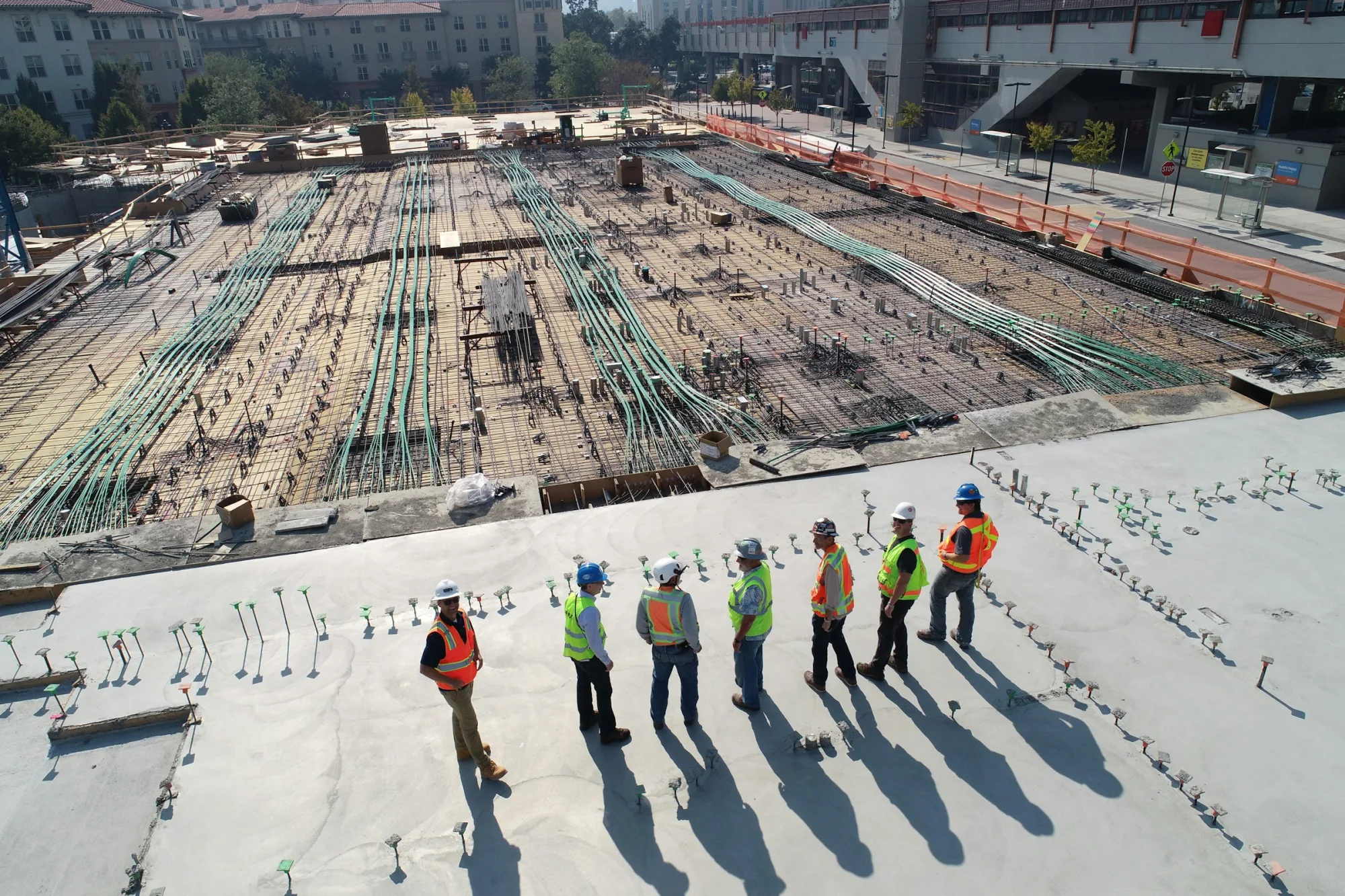
Quantity surveying team inspecting an Australian construction site
1988 Commenced his professional career in 1988

Experienced Quantity Surveyors Helping Property Investors Make Informed Decisions

Property Wealth Australia was established with a clear objective: to help property investors maximise the allowable depreciation deductions associated with their income-producing properties through accurate, professionally prepared tax depreciation schedules.

Our foundations are built on extensive experience across both public and private sectors, including healthcare, medical facilities, coal terminals, airports, alumina refineries and state and local government assignments.

Paul Palella

Founder

Our founder, Paul Palella, commenced his professional career in 1988 and holds a Bachelor of Applied Science in Quantity Surveying and a Postgraduate Diploma of Business (Property Studies). He is a Registered Valuer in Queensland and a member of the Australian Institute of Quantity Surveyors (AIQS).

Paul's professional experience includes work with respected organisations such as Ernst & Young, The Rushton Group, Leary and Partners, Napier and Blakely and WT Partnership.

His experience across property valuation, quantity surveying and depreciation reporting provides a strong foundation for the services delivered by Property Wealth Australia.

Our approach is simple: understand the property, inspect it thoroughly, document relevant assets, apply appropriate professional judgement and prepare a comprehensive report.

Tax Depreciation Schedules for Residential and Commercial Properties

Every investment property is different. Its age, construction, ownership structure, existing assets and improvements can all influence the depreciation deductions that may be available.

Property Wealth Australia offers tailored depreciation reporting solutions to suit different property types and reporting requirements.

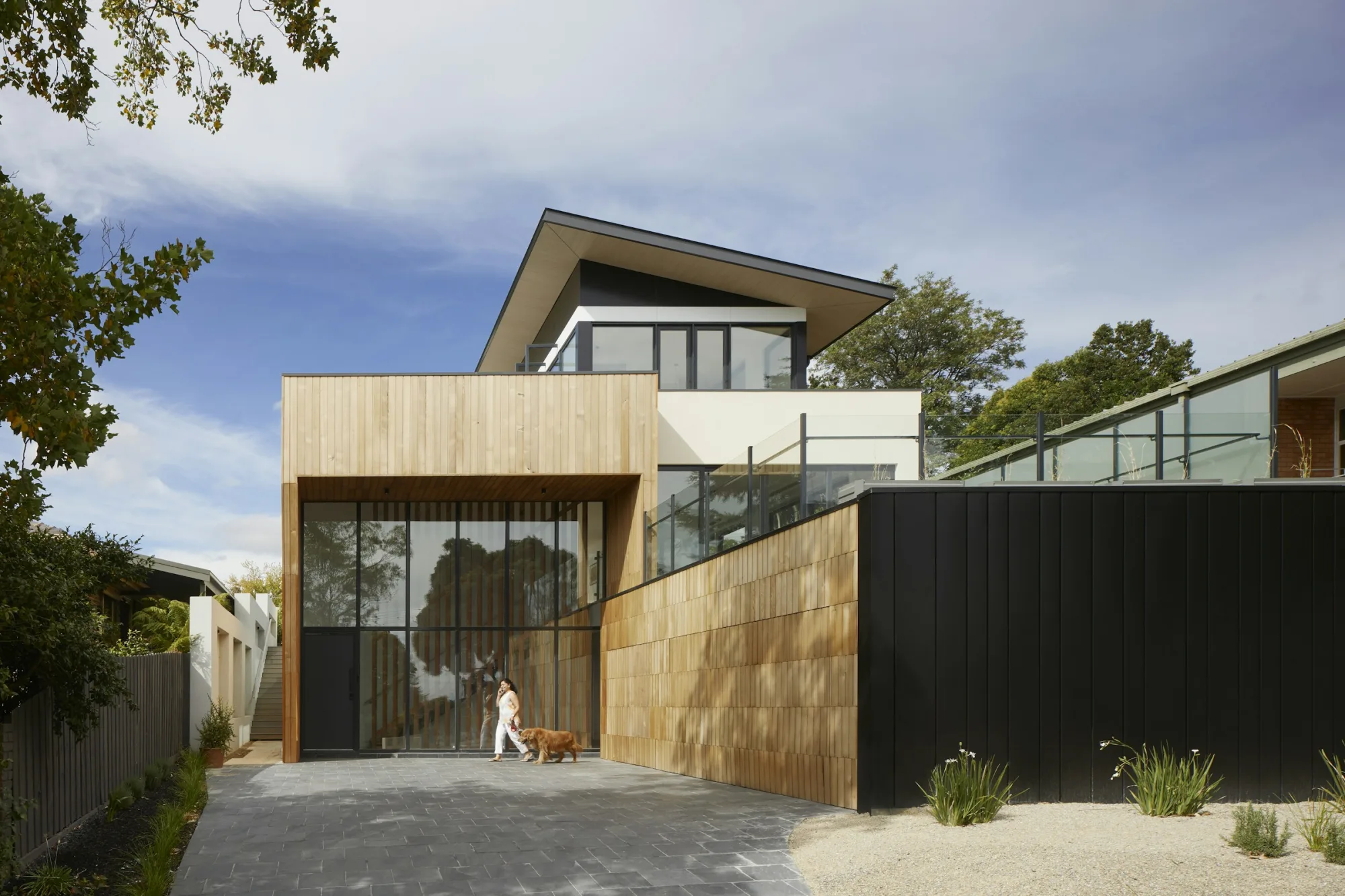
Modern Australian residential investment house

A. Residential Property Tax Depreciation

Professionally prepared tax depreciation schedules for residential investment properties, including houses, units and apartments.

Our Streamline Plus report identifies eligible built-in fixtures, fittings and construction-related deductions, supported by detailed photographic records.

Commercial office buildings in an Australian CBD

B. Commercial Property Depreciation

Tax depreciation schedules for commercial buildings, offices and other income-producing commercial properties.

Reports can include eligible plant, machinery, fixtures, fittings and building-related capital works, subject to applicable tax rule

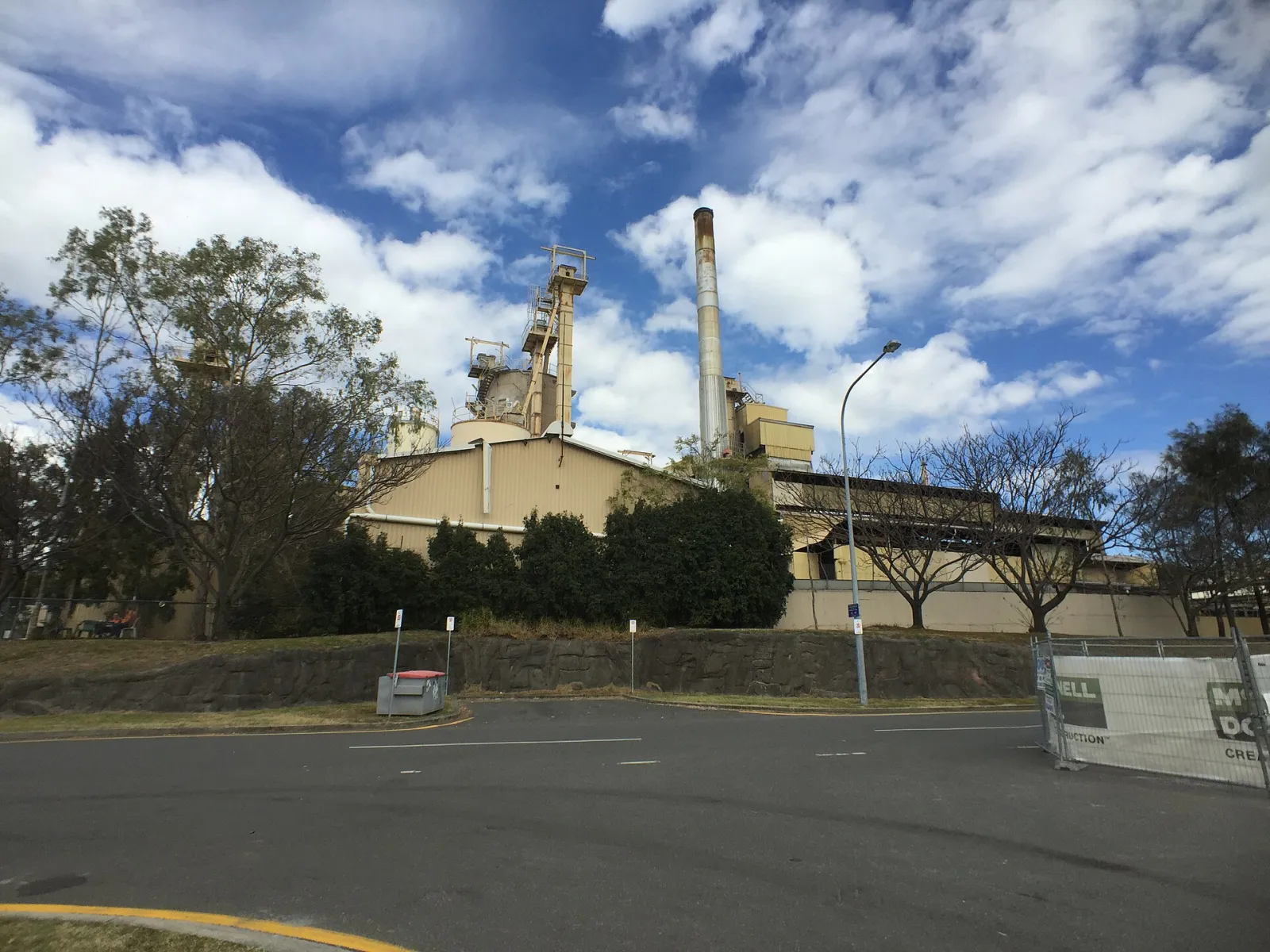
Industrial buildings in South Brisbane

C. Industrial and Retail Property Depreciation

Specialist reporting for industrial and retail properties, including non-strata-titled buildings.

Assessments can include eligible plant, machinery and construction allowances, with detailed photographic documentation.

Furnished living room in an Australian investment apartment

D. Loose Furniture and Fittings Schedules

Detailed schedules covering eligible loose furniture and fittings in investment properties.

Available reporting categories in the existing service offering include:

  • 1-bedroom properties
  • 2-bedroom properties
  • 3-bedroom properties
  • 4-bedroom properties

Photographic records support the identification and documentation of the relevant assets.

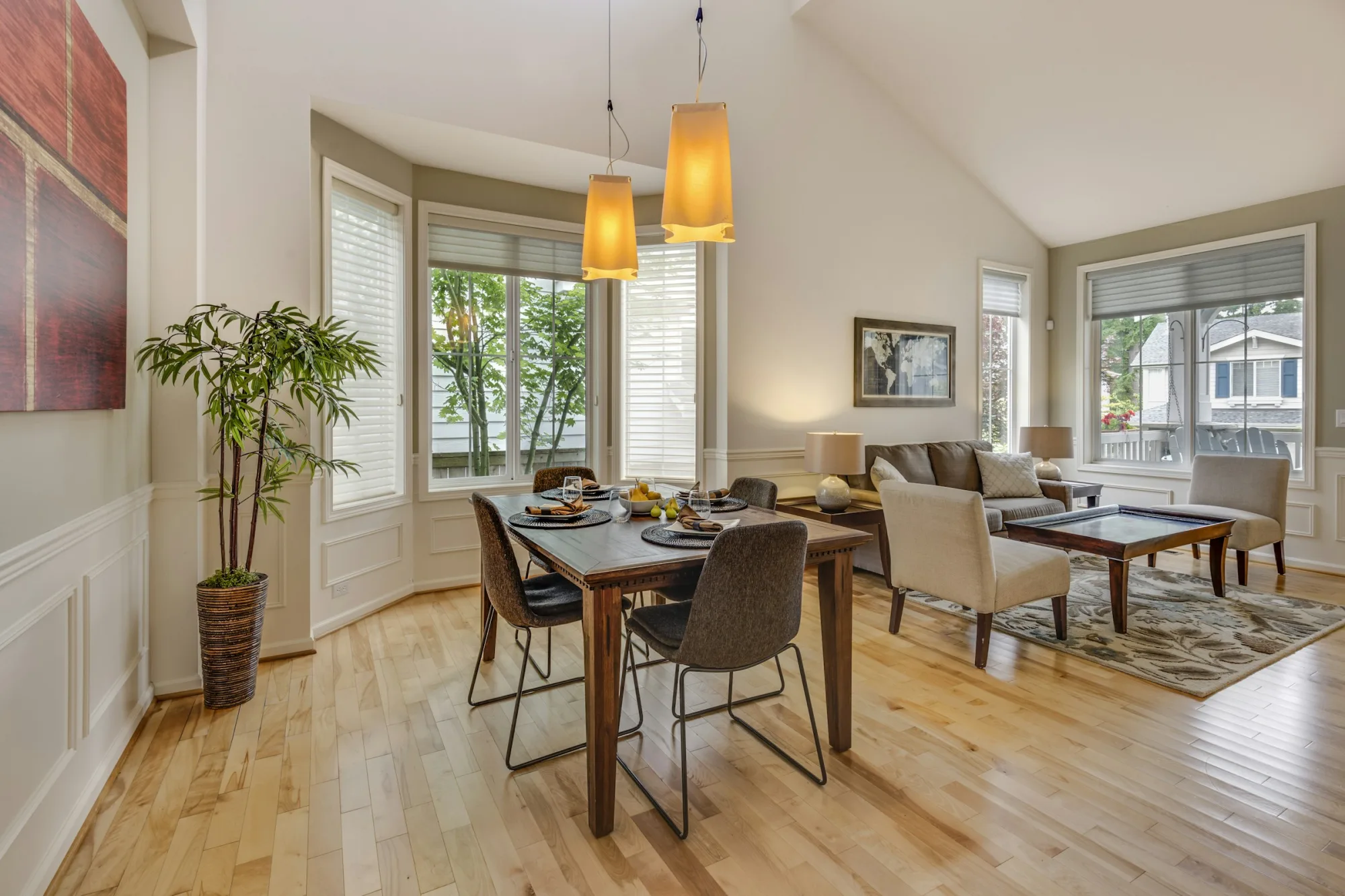
Open-plan kitchen and dining area with built-in fixtures

E. Streamline Plus Tax Depreciation Reports

A tailored tax depreciation schedule for residential and commercial houses and units.

The report covers eligible built-in items such as:

  • Cooktops and ovens
  • Rangehoods
  • Hot water systems
  • Carpets
  • Other eligible fixtures and fittings

Loose furniture is excluded from this particular report and can be assessed separately.

New residential development under construction

F. Indicative Tax Depreciation Schedules for Developers

Indicative depreciation reports can help developers provide prospective investors with an overview of potential depreciation benefits before purchasing a property.

These reports are estimates only and are not substitutes for a complete, inspected tax depreciation schedule or a report for preparing a tax return.

What Is a Tax Depreciation Schedule and Why Does Your Investment Property Need One?

A tax depreciation schedule is a detailed report that identifies the eligible decline in value of depreciating assets and capital works deductions associated with an income-producing property.

Over time, buildings and certain assets experience wear and tear. Depending on the property's circumstances and applicable Australian taxation legislation, property investors may be entitled to claim deductions for eligible building components, fixtures, fittings and other depreciating assets.

A professionally prepared tax depreciation schedule helps identify and document these deductions so your registered tax agent or accountant can consider them when preparing your tax return.

Fixtures and fittings inside an Australian investment property

What can be included in a tax depreciation schedule?

1. Division 43 - Capital Works

Capital works deductions may apply to eligible construction expenditure associated with buildings and structural improvements.

2. Division 40 - Plant and Equipment

This relates to eligible depreciating assets, such as certain appliances, equipment and fixtures, subject to applicable eligibility requirements.

3. Structural Improvements

Depending on the circumstances, eligible improvements such as fencing, paving and retaining structures may also be considered.

A specialist quantity surveyor can inspect the property, assess relevant construction details and prepare the supporting depreciation report.

Our Tax Depreciation Schedule Process

At Property Wealth Australia, we believe that a quality depreciation schedule starts with understanding the property.

Our approach involves detailed assessment, accurate documentation and internal quality checks before the report is finalised.

  1. Initial Property Assessment

    We obtain relevant information about your investment property, including its location, property type, construction details and ownership circumstances.

  2. Detailed Site Inspection

    A comprehensive site inspection is undertaken. Photographs are taken, building measurements are recorded and relevant plant and equipment is inspected.

  3. Asset Identification and Assessment

    Relevant fixtures, fittings, plant and machinery are identified, quantified and assessed in accordance with applicable depreciation principles.

  4. Preparation of the Depreciation Schedule

    The collected information is used to prepare a detailed tax depreciation schedule for the property.

  5. Internal Quality Assurance

    The report undergoes an internal review process to check its accuracy, supporting documentation and presentation.

  6. Delivery of Your Report

    The completed report is provided in a format that can be used by your accountant or registered tax agent when preparing your tax return.

This process reflects Property Wealth Australia's existing commitment to detailed inspections, photographic evidence, measurements and quality assurance.

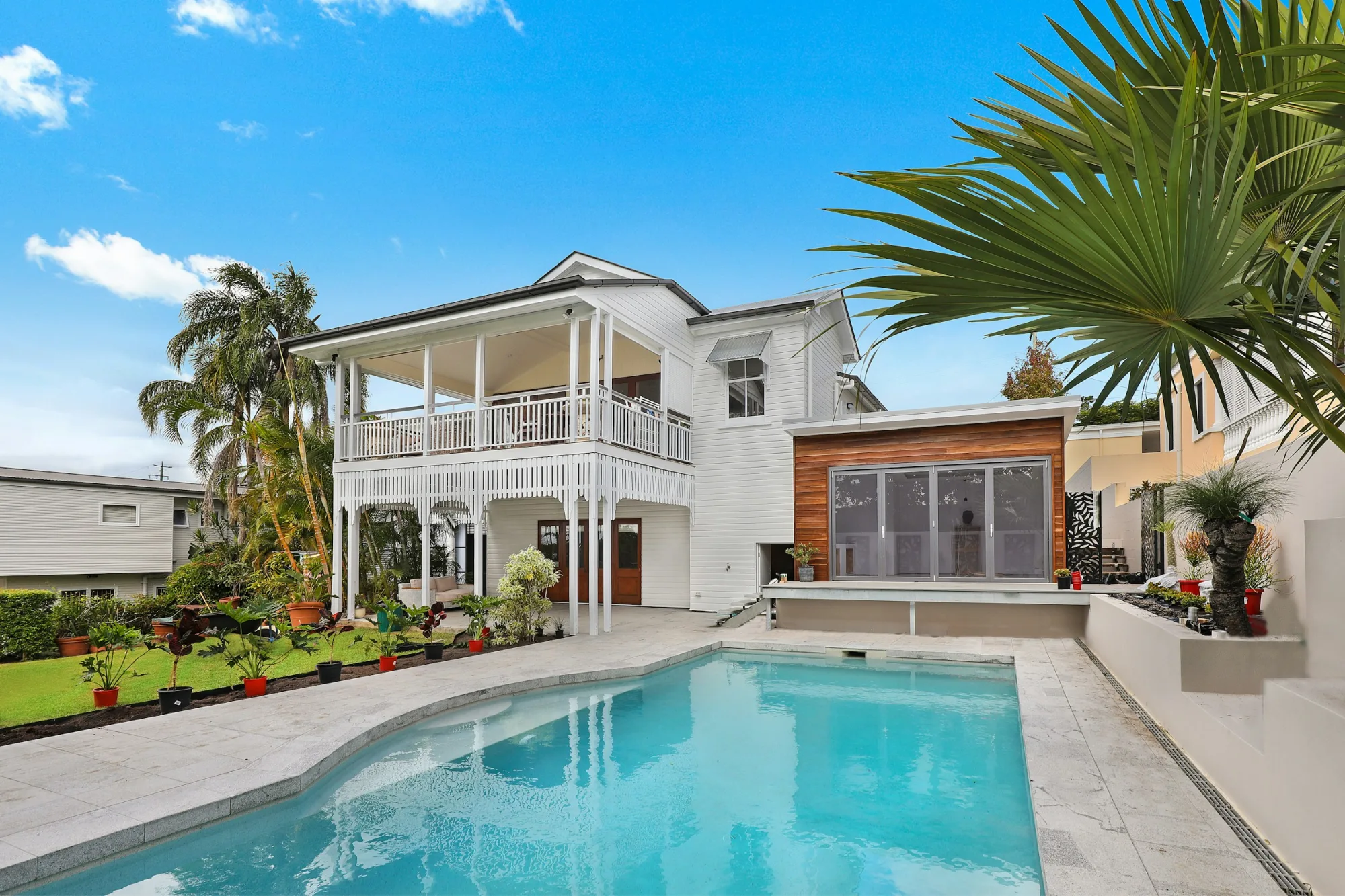
Queensland-style investment home with a swimming pool

Are You Claiming All the Eligible Depreciation Deductions on Your Investment Property?

Many property investors focus on rental income, mortgage interest, property management fees and other operating expenses. However, eligible depreciation deductions can also form an important part of the overall investment property tax position.

If you own an investment property, it may be worth investigating whether a professionally prepared depreciation schedule could help identify deductions you are entitled to claim.

Which properties may qualify?

Depending on the individual circumstances and relevant taxation rules, depreciation reporting may be relevant to:

  • Newly constructed investment properties.
  • Established residential houses.
  • Investment units and apartments.
  • Townhouses.
  • Commercial office buildings.
  • Industrial and warehouse properties.
  • Retail properties.
  • Properties with eligible renovations or improvements.

Does the age of your investment property matter?

Yes. The age of a property, the date construction commenced, the nature of improvements and the date assets were acquired can influence the deductions available.

For example, Division 43 capital works deductions are subject to construction date and eligibility requirements. Division 40 deductions for second-hand depreciating assets in residential rental properties are also subject to restrictions.

An individual assessment is therefore important before assuming that a property qualifies for particular deductions.

Find Out What Your Property May Be Eligible For

Why Property Investors and Accountants Choose Property Wealth Australia

Choosing the right quantity surveyor is important when preparing a tax depreciation schedule. The quality of the inspection, identification of assets, supporting documentation and reporting process all matter.

Here is what distinguishes Property Wealth Australia.

Decades of Professional Experience

Founder Paul Palella commenced his professional career in 1988, bringing extensive quantity surveying, valuation and property experience.

Detailed Property Inspections

We undertake detailed inspections, measure buildings, photograph relevant areas and assess plant and equipment.

Photographic Documentation

Detailed photographs provide supporting records of inspected buildings, fixtures and fittings.

Internal Quality Assurance

Our reports undergo an internal quality assurance process designed to support accurate and thorough reporting.

Accountant-Friendly Reporting

Our schedules are prepared in a format that assists accountants and tax agents when preparing clients' taxation returns.

Professional Commitment

We value confidentiality, ethical conduct, clear communication and meeting agreed deadlines.

Professional experience and industry recognition

Property Wealth Australia's founder has worked on significant projects involving public-sector organisations, local government, major infrastructure and commercial organisations.

The existing business profile includes experience with Brisbane City Council, Ipswich City Council, Brisbane Airport Corporation, Cairns Airport Authority, Rio Tinto and Energex.

  • Brisbane City Council
  • Ipswich City Council
  • Brisbane Airport Corporation
  • Cairns Airport Authority
  • Rio Tinto
  • Energex

The business has also published an account of a client's depreciation schedule undergoing detailed ATO audit scrutiny, with the schedules passing that audit.

Trusted by Property Investors and Industry Professionals

The trust of our clients is an important part of our business.

Property Wealth Australia has built much of its client base through referrals, reflecting its focus on professional service and long-term client relationships.

The service has always been conducted in an extremely professional manner.

Angelo Catalano

You have an exceptional service ethic.

Max Borthwick

I will definitely continue to utilise his services into the future.

Marty Allison

Tax Depreciation Schedule FAQs

A tax depreciation schedule is a report prepared by a qualified professional that identifies eligible deductions relating to the decline in value of depreciating assets and capital works associated with an income-producing property. It provides supporting information for your accountant or registered tax agent when preparing your tax return.

A quantity surveyor has specialist knowledge of construction costs, building components and asset identification. Their expertise can assist in assessing eligible construction expenditure and depreciating assets and preparing a detailed depreciation schedule.

Potentially, yes. The age of the building does not automatically rule out every depreciation deduction. However, the construction date, previous renovations, property use and applicable tax legislation will determine what may be claimed.

Yes, some deductions may be available for established properties. However, restrictions apply, particularly to certain second-hand plant and equipment assets in residential rental properties. Eligible capital works and other assets must be assessed separately.

Division 40 generally relates to the decline in value of eligible depreciating assets, such as appliances and equipment. Division 43 relates to eligible capital works deductions associated with construction expenditure and certain structural improvements.

Depending on the property and reporting scope, it can include building-related capital works, eligible plant and equipment, relevant asset values, depreciation calculations and supporting photographic documentation.

Property Wealth Australia's existing approach includes detailed site inspections, photography, building measurements and the inspection and recording of relevant plant and equipment.

Yes. Property Wealth Australia offers depreciation reporting for commercial, industrial and retail properties, including non-strata-titled buildings.

Property Wealth Australia also offers indicative schedules for developers to provide prospective investors with an estimate of potential depreciation benefits. These are estimates only and must not be used as a substitute for a full depreciation schedule or tax return preparation.

Typically, the property address, property type, number of bedrooms or approximate floor area, construction year (if known), property use and any relevant renovation information will help us assess the work required.

Yes. Its existing services include separate loose furniture and fittings schedules for one-, two-, three- and four-bedroom properties.

Get a Tax Depreciation Quote for Your Investment Property

Are you looking for a professional quantity surveyor to prepare a tax depreciation schedule for your residential or commercial investment property?

Property Wealth Australia is here to help.

Contact our team to discuss your property, understand the available reporting options and request a quote.

Property Wealth Australia Pty Ltd

Request a Quote - Enquiry Form

Property type (residential/commercial/industrial/retail)

Your details will be used to respond to your enquiry. Privacy policy